SELF-DISCIPLINE IN AVIATION IN THE DIGITAL AGE:
THE INVISIBLE POWER OF MAINTENANCE SAFETY
As aviation rapidly digitalizes, safety still depends on one timeless factor: Human discipline. From maintenance to operations, digital competence must be balanced with self-discipline checking, verifying, and taking responsibility beyond what software can ensure. In hangars, digital natives bring speed, while experienced technicians bring procedural rigor; together, they form the foundation of modern safety culture. Because in aviation’s digital future, technology delivers precision but disciplined humans deliver safety.
T
echnology in aviation is advancing rapidly. Flight management, maintenance planning, fault detection, and logistics management are now conducted entirely in digital environments. However, this entire digitalization process does not change one fact: the security of systems is still determined by the discipline of the people who use them. From aircraft maintenance to flight operations, the “human factor” remains the weakest yet most critical link at every stage. Digital systems process data, and software reduces errors; however, without technicians, pilots, or engineers with high self-discipline, the reliability of those systems is also at risk.
Technology is Fast, Humans are Responsible!
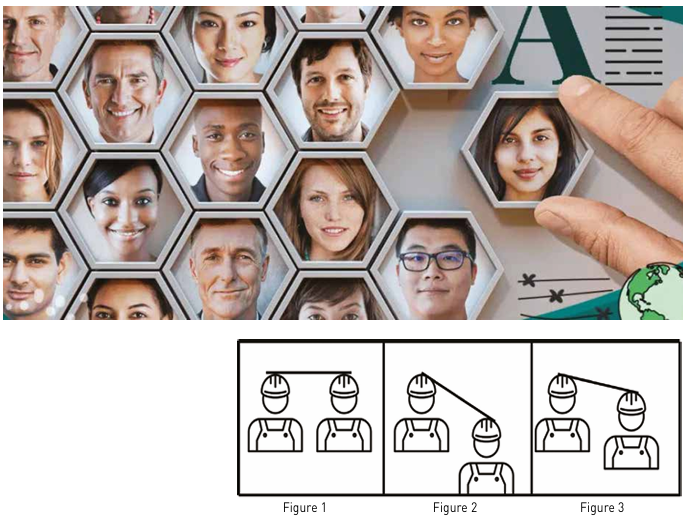
Recent studies reveal that two distinct digital identities have emerged, particularly among maintenance technicians: “digital natives” and “digital immigrants.” Digital natives are young personnel who were born into technology, grew up in front of screens, and move quickly through systems. For them, operating on digital platforms is extremely natural. Digital immigrants, on the other hand, are experienced, highly skilled, knowledgeable about procedures, but are a generation that learned technology later in life.
The difference between these two groups is not just an age difference; it is also a difference in their understanding of discipline. Digital natives typically produce quick and practical solutions, while digital immigrants proceed in a more planned and procedural manner. However, the foundation of safety in aviation relies on the balanced use of both skills.
Double-checking a torque value during maintenance, re-verifying the serial number of a part entered into the digital system, or confirming the revision used on the work card all of these are acts of self-discipline. And they are often invisible barriers that prevent accidents.
Digitalization Does Not Reduce Discipline, It Makes It More Necessary
Some maintenance workers believe that digital systems eliminate the risk of error. However, digitalization can make errors invisible. Choosing the wrong module, missing an approval, or skipping a signature in the system can disrupt the entire process. The golden rule of aviation, “check, double-check, then sign,” applies equally in digital systems.
At this point, self-discipline is not just a personal virtue, but a cornerstone of safety culture.
Intergenerational Balance in Hangars
In today’s maintenance hangars, two worlds work side by side:
The young technician who checks the MEL on a tablet and the experienced technician who checks every step of the repair against physical documentation. In fact, these two approaches complement each other. Young people bring speed; experienced technicians bring safety. Therefore, the most appropriate strategy for maintenance organizations is to encourage a culture of intergenerational learning.
While young technicians learn work discipline, error awareness, and attention management from experienced personnel, digital immigrants can also adapt to the speed and ease of new systems. The common goal is to turn individual differences into advantages. Because the primary responsibility of everyone working in maintenance is to ensure that the aircraft is safely prepared for its next flight.
Stepping Safety into the Future: Digital Competence + Self-Discipline
Aviation is one of the sectors where digitalization is applied at the most advanced level. However, technological competence alone is not enough. Every new system brings new responsibilities. For a maintenance technician, self-discipline means completing the correct documentation on time, double-checking every input in the system, and considering the safety implications of every action taken.
In short, digitalization brings speed; self-discipline ensures safety.
The sustainability of aviation depends on the balance between these two concepts
In the hangars of the future, artificial intelligence, augmented reality, or digital twin systems may be used. However, no algorithm can fully replace the attention, responsibility, and discipline of the technician managing those systems.
Aviation safety is measured not by how advanced the technology is, but by how disciplined the people using it are.
For today’s digital technicians, self-discipline is not just a personal virtue, but a professional necessity.
Technology makes flight possible; self-discipline makes it safe.