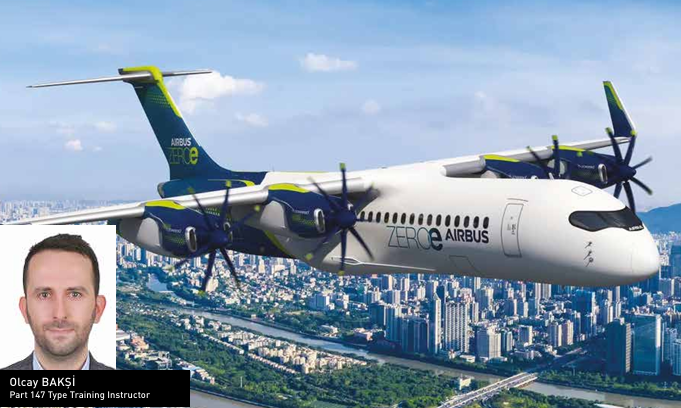
MRO EUROPE 2025:
INNOVATION, SUSTAINABILITY, AND DATA TRANSFORMATION TAKE FLIGHT IN LONDON
MRO Europe 2025, held from 14–16 October at ExCeL London, brought together over 11,500 aviation professionals and nearly 600 exhibitors. The event served as a hub for airlines, OEMs, suppliers, lessors, and MRO providers to explore innovations in maintenance, efficiency, safety, and sustainability. Digitalisation was a key focus, with predictive analytics, digital twins, and real-time fleet monitoring enabling predictive maintenance and advanced data-driven KPIs. Sustainability initiatives, such as energy-efficient hangars, recyclable materials, and optimized repair processes, highlighted MRO’s role in aviation decarbonisation.
T
he aviation maintenance, repair, and overhaul (MRO) community gathered in one of its most significant global meet-ups: MRO Europe 2025, which took place from 14 to 16 October 2025 at ExCeL London. Organized by Aviation Week Network, the conference and exhibition brought together more than 11,500 professionals and nearly 600 exhibitors from across the aviation industry, creating a dynamic platform for sharing innovations, strategies, and future-shaping visions in aircraft maintenance. .
More than just a trade show, MRO Europe acted as the beating heart of Europe’s aviation aftermarket. It united airlines, OEMs, suppliers, lessors and MRO providers in a collaborative environment where industry leaders explored solutions for efficiency, safety and sustainability. The event combined a two-day senior-level conference and a two-day exhibition, including the popular “Go Live!” theatre sessions where experts discussed digital transformation, data analytics, workforce development and supply-chain resilience. .
Digitalisation took centre stage at this edition. Airlines and maintenance organisations increasingly adopted predictive analytics, digital twins and real-time fleet monitoring, shifting the focus from reactive maintenance to predictive operations. This change not only enhanced reliability but also re-defined performance measurement moving away from traditional cost and turnaround time indicators toward advanced data-driven KPIs. Predictive accuracy, data quality and time-to-detection metrics emerged as new standards of operational excellence. .
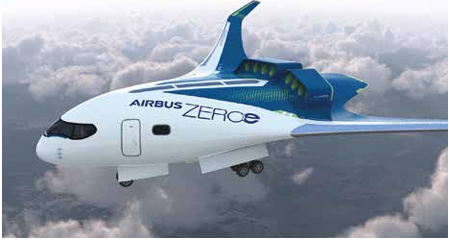
Sustainability was another cornerstone of MRO Europe 2025. The aviation industry, under mounting pressure to reduce its environmental footprint, witnessed how MRO organisations responded by developing energy-efficient hangars, using recyclable materials and optimizing repair processes to minimise emissions. Exhibitors showcased eco-friendly technologies supporting the circular economy, reflecting how maintenance activities can contribute to aviation’s broader decarbonisation goals. Environmental performance had clearly become a defining factor of competitiveness in the global MRO market. .
Supply-chain stability also took a spotlight in London. With ongoing global challenges such as parts shortages and logistical bottlenecks, the sector revisited procurement and inventory-management strategies. Experts explored how digital platforms and collaborative forecasting can improve visibility, agility and resilience across complex supply networks ensuring maintenance operations remain uninterrupted even during turbulence. .
The human element remained central to the MRO business. Europe’s aviation industry continued to face a shortage of qualified engineers and licensed technicians, making workforce attraction and retention a top priority. Training programmes, apprenticeships and digital-learning tools were expanded to prepare a new generation of aviation professionals. As one industry leader put it, “We need to rebrand maintenance as high-tech, sustainable and data-driven.” This highlights a key reality: human capital is as essential to MRO success as technology and infrastructure. .
Across the exhibition halls and conference stages, MRO Europe 2025 showcased the technologies redefining aircraft maintenance from robotic inspections and smart materials to artificial intelligence and digital repair-tracking systems. .
For participants, the event offered not only networking opportunities but also a forward-looking vision of how aviation maintenance will evolve in the coming decade. .
Ultimately, MRO Europe 2025 stood as a symbol of transformation within the aviation industry. It reflected the sector’s determination to integrate innovation, sustainability and digital intelligence into every aspect of maintenance and repair. The conversations held in London this October helped shape how airlines, OEMs and MRO providers define and achieve performance in an era of rapid change. The future of aviation maintenance is not only about keeping aircraft aloft it is about reimagining how efficiency, safety and sustainability are achieved on the ground. .