DIGITAL TWIN AND PREDICTIVE ANALYTICS:
AIRCRAFT CAN NOW SEE THEIR OWN FUTURE
The aviation industry has long been recognized as a pioneer of technological innovation. Yet today’s transformation is unlike any other in its history. Digital twin and predictive analytics technologies are enabling aircraft not only to fly through the skies but also to navigate the vast world of data. Aircraft can now anticipate their own behavior, predict potential failures, and continuously learn from every flight.
From Physical Aircraft to Digital Twins
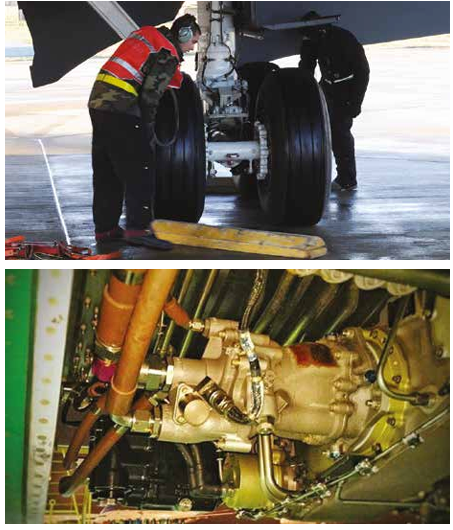
A digital twin is a virtual replica of a physical asset an aircraft, an engine, or a landing gear system. This model is continuously updated with real-time data collected from onboard sensors. Operational data such as engine temperature, fuel flow, pressure, and vibration are streamed into the digital environment, creating a “living copy” of the aircraft. Engineers can monitor and analyze potential issues in simulation before they ever occur in reality.
Digital twins allow maintenance and engineering teams to understand how every component behaves under specific conditions. They bring the unseen dynamics of flight to the surface, offering predictive insights that were once impossible.
The Predictive Power of Data
Predictive analytics acts as the brain behind the digital twin. Machine learning algorithms analyze historical flight and maintenance data to forecast when specific components might fail. Maintenance teams can therefore act before a malfunction occurs rather than after.
This proactive model transforms maintenance culture. Instead of time-based schedules, aircraft are now serviced according to real-time conditions. Every plane follows its own data-driven maintenance plan a concept known as condition-based maintenance. The result: reduced downtime, lower costs, and higher operational safety.
Training and Simulation Reinvented
Digital twins also revolutionize technical training. Virtual models built on real flight data allow maintenance technicians to practice in safe, simulated environments. Rare fault scenarios can be replicated without risk, helping technicians gain deeper understanding before facing them in the hangar.
This approach minimizes human error, enhances knowledge retention, and accelerates the development of new skills especially vital as next-generation aircraft systems become more complex and digitalized.
Real-World Applications Taking Off
Today, major manufacturers such as Airbus and Boeing are building digital twins to monitor entire fleets throughout their life cycles. Rolls-Royce, for instance, gathers thousands of data points per second from its engines and uses AI-powered analytics in its TotalCare service model to predict and prevent performance degradation.
By integrating predictive analytics with digital twin data, companies can foresee when and under what conditions an engine might require intervention a level of foresight that redefines efficiency and reliability across aviation operations.
AI: The Mind Behind the Machine
At the core of this transformation lies artificial intelligence (AI). AI connects data analytics with digital twin technology, creating an intelligent feedback loop. Machine learning models detect subtle anomalies and trends that humans might overlook.
AI-driven systems are already optimizing fuel efficiency, flight safety, and maintenance planning. They make sense of the overwhelming data volume that modern aircraft generate transforming raw information into actionable insights that keep aviation moving safely and efficiently.
A Cultural Shift in the Hangar
This transformation is not only technological but also cultural. Aviation is shifting from a reactive mindset to a proactive, data-oriented philosophy. Technicians and engineers now need to combine traditional mechanical expertise with data literacy and digital awareness.
A modern maintenance professional doesn’t just handle tools; they also interpret dashboards, analyze predictive alerts, and interact with AI-driven decision systems. The hangar of the future will be as much a digital workspace as a mechanical one.
The Connected Aviation Ecosystem
Looking ahead, the integration of AI, predictive analytics, and digital twins will create a connected aviation ecosystem. Aircraft, maintenance bases, air traffic systems, and manufacturers will continuously exchange data. This ecosystem will strengthen flight safety, enhance cost efficiency, and contribute to environmental sustainability through optimized operations.
Yet this digital revolution also raises important questions: How will data privacy be protected? How transparent will AI’s decision-making be? And where does the human factor stand amid increasing automation? The answers to these questions will define the ethical boundaries of aviation’s digital future.
Seeing the Future Before It Happens
In essence, digital twin and predictive analytics technologies mark a turning point for aviation from reactive maintenance to predictive intelligence. Aircraft now fly not only through the air but also through endless streams of data.
Every sensor reading and every algorithmic insight brings aviation one step closer to safer, smarter skies. A new era has dawned above the clouds aircraft can now see their own future.