
BRIDGING THE DATA GAP FROM THE HANGAR FLOOR TO THE BOARDROOM
MRO’s mission is no longer just to keep aircraft flying and costs low it’s to turn operational data into strategic value. Modern maintenance organizations operate through balanced KPI systems that integrate safety, operational excellence, financial alignment, and supply chain performance. Powered by AI and big data, maintenance is shifting from reactive to predictive and profitable, measured not by MTBF, but by MTBOI – Mean Time Between Optimal Interventions. At the center of this transformation stands the digitally fluent, data-driven technician, whose accuracy and insight fuel enterprise performance. In short: from wrench to data, from data to strategy MRO now drives profitability, not just compliance.
The New Bottom Line for MRO
For decades, the Maintenance, Repair, and Overhaul (MRO) function operated under a simple premise: keep the aircraft airworthy and keep the costs down. Today, that premise is insufficient. As global air traffic returns and competitive margins tighten, MRO is being recast from a necessary cost center into a strategic profit enabler. This transition is driven entirely by our ability to precisely measure, manage, and predict operational performance.
The new mandate for MRO leaders is to speak the language of the executive suite. We must connect technical metrics like Mean Time Between Failures (MTBF) to financial metrics like Cost per Available Seat Kilometer (CASK). This connection requires moving past isolated data points and implementing an integrated performance ecosystem rooted in strategic Key Performance Indicators (KPIs).
This analysis delves into the advanced frameworks and technological tools that leading MRO providers and technical operations (Tech Ops) departments are using to map operational success to enterprise value.
The Four-Way Compass: A Holistic View of Performance
Focusing on a single metric is like navigating a vast ocean using only a single piece of instrumentation; it shows direction but misses all the crucial terrain. If we only chase cost reduction, we inevitably compromise on safety or quality. Therefore, successful MRO organizations employ a Balanced Scorecard (BSC) approach, ensuring performance is measured across four integrated domains. 
Domain 1: Safety and Quality (The Non-Negotiable Core)
This is the bedrock of our profession. Measurement here must be proactive and preventative.
Maintenance Error Rate (MER) and Repeat Defect Rate (RDR): These two metrics are the pulse of our Human Factors management. RDR the recurrence of a fault soon after a fix doesn’t just point fingers; it indicates deep-seated flaws in troubleshooting methodology, training efficacy, or the quality of components from the C-Shop. High-performing MROs use MER not to discipline staff, but to ask: “What systemic failure or environmental pressure forced this error?” This is the core of a Just Culture.
Maintenance Procedure Compliance: Tracking the percentage of work cards completed exactly as written. Deviations are leading indicators of procedural risk. Advanced Insight: Modern digital systems now track time spent on specific segments of a procedure. If a technician spends suspiciously little time on a complex critical step, it may flag the record for quality assurance review, moving QA from reactive checks to proactive audits.
Domain 2: Operational Excellence (Valuing Time)
In aviation, time is literally money. Every minute an aircraft sits idle is a minute of lost revenue. Operational KPIs are designed to maximize asset utilization.
Technical Dispatch Reliability (DR): The MRO industry’s ultimate external scorecard. While critical, it is a lagging indicator. To improve it, we must focus on its leading indicators.
Scheduled Task Completion Rate (STCR): If our planning team promises to finish 95% of scheduled work, but only hits 85%, that deficit often turns into deferred defects or AOG events down the line. STCR measures the accuracy and realism of our resource projections (man-hours, tools, and parts).
Productive Utilization Rate (Wrench Time): This ratio calculates the time spent actively working versus total time available. Improving this rate even by a few percentage points translates directly into millions saved on external contract labor and increased workflow stability. [Visual Suggestion: A pie chart comparing ‘Productive Time’ vs. ‘Non-Productive Time (Waiting, Searching, Admin)’ on the hangar floor, showing the high percentage of hidden waste.]
Domain 3: Financial Alignment (The CASK Bridge)
Our challenge is to ensure that cost control decisions on the hangar floor align perfectly with the airline’s overall financial health.
DMC vs. CASK: This is the strategic crux. Direct Maintenance Cost (DMC) per flight hour tells us what we spend. Cost per Available Seat Kilometer (CASK) tells us how efficiently the entire airline operates. The trap is short-term cost-cutting: reducing maintenance quality to lower DMC now only leads to unscheduled delays later, skyrocketing CASK because revenue potential is destroyed. Strategic MRO leaders prioritize Availability over short-term DMC reduction.
Emergency Work Order (EWO) Ratio: A high EWO rate signifies a deeply reactive, and therefore expensive, maintenance culture. Emergencies incur peak costs: premium AOG freight, overtime labor rates, and costly schedule disruptions. Systematically reducing the EWO ratio is the most tangible benefit of shifting towards preventive and predictive maintenance.
Domain 4: Logistics and Supply Chain Performance
Maintenance is a supply chain problem. If the required part is not at the wrench tip, the aircraft stays grounded, regardless of technician skill.
Inventory Accuracy & Stockout Rate: If our Maintenance Information System (MIS) says we have five of a critical valve but the shelf is empty, we have a crippling problem. Stockout Rates are the great destroyer of STCR and a primary cause of technician downtime. The most efficient MRO is often simply the one with the best logistical data. [Visual Suggestion: Graphic: Correlation between the Stockout Rate and the Mean Time to Repair (MTTR).]
The Digital Horizon: From Prediction to Prescription
The real power of modern measurement lies in the ability to transcend historical data. The future is not just descriptive (what happened) or predictive (what will happen), but prescriptive (what should we do about it, and when?).
The combination of Big Data streaming from aircraft sensors and sophisticated AI algorithms is enabling this shift.
Prediction: AI analyzes flight profiles, maintenance history, and environmental data to give a precise probability of failure. (e.g., “Turbine Blade Seal X shows degradation patterns indicating 90% failure probability within 45 cycles”).
Constraint Modeling: The system then models the operational environment. It determines: What is the longest scheduled layover where a qualified team and the part are available? What is the weather forecast at the deployment station?
Prescription: The AI-driven system issues the optimal, cost-benefit balanced directive: “Perform the replacement of Seal X during the planned 10-hour maintenance window in Singapore next Friday. This prevents the likely failure on the long-haul sector to New York and provides the maximum component life extension, yielding an estimated $75,000 saving over a reactive repair.”
This turns the maintenance task from a scheduled chore or an emergency response into a profit-driven action. Our core metric is no longer MTBF (Mean Time Between Failures), but MTBOI (Mean Time Between Optimal Interventions). 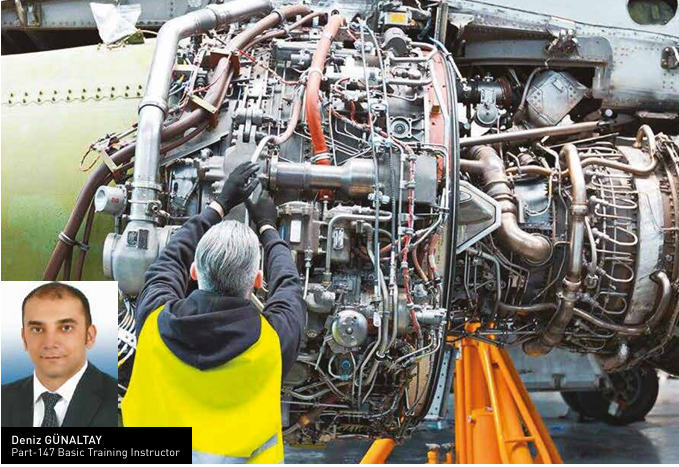
Conclusion: Empowering the Data Generator
No matter how smart the algorithm, the entire system relies on the aircraft maintenance technician the person who captures the initial data and executes the final prescription.
For the MRO organization to thrive in this environment, we must cultivate a culture of trust and data literacy.
Trust the Wrench, Trust the Data: We must ensure that performance metrics are used to identify process flaws (e.g., supply chain breakdowns, outdated tooling), not to assign personal blame. When data is used punitively, it goes underground; records are falsified, small defects are unreported, and the entire performance measurement effort becomes worthless.
The Digital Technician: The modern AMT must be fluent in the language of data. This means being proficient in interpreting diagnostic output, using Augmented Reality (AR) overlays that present step-by-step instructions directly onto the component, and validating data feeds from the aircraft. The skilled hands that perform the work must also be the keen minds that safeguard the integrity of the performance ecosystem.
The maintenance industry is at a pivotal moment. By embracing this performance imperative by strategically balancing safety with efficiency and investing in both the digital tools and the human capital we will ensure that the MRO function not only supports the airline but decisively drives its profitability and future success.